

Staring at digital screens for hours has left over 65% of australian adults battling headaches, blurry vision, and tired eyes. With work and entertainment now tied to computers and phones, stylish eyewear is more than just a fashion statement—it is a tool for comfort and productivity. Discover how today’s advanced glasses and exclusive deals can help australian shoppers refresh their look and relieve digital eye strain at the same time.
Table of Contents
- Eye Strain and Glasses – Core Concepts
- Types of Glasses for Eye Strain Relief
- How Blue Light Blocking Lenses Work
- Lens Coatings and Special Features Explained
- Comparing Alternatives and Common Pitfalls
Key Takeaways
| Point | Details |
|---|---|
| Digital Eye Strain | Affects up to 65% of Australians using screens, leading to symptoms like visual fatigue and dry eyes. |
| Specialised Glasses | Computer and reading glasses serve distinct purposes based on viewing distances, enhancing comfort and reducing fatigue. |
| Blue Light Blocking Lenses | These lenses filter high-energy light, but their clinical benefits for eye strain are modest compared to overall eye health strategies. |
| Holistic Approach | Combine eyewear solutions with proper ergonomics and regular eye check-ups to effectively manage digital eye strain. |
Eye Strain and Glasses – Core Concepts
Digital eye strain has become an increasingly prevalent issue for Australians spending hours in front of screens. Digital eye strain occurs when prolonged use of digital devices leads to visual and ocular symptoms that impact daily comfort and productivity. Research indicates that up to 65% of digital device users experience some form of eye discomfort, making it a significant health concern in our technology-driven world.
The primary symptoms associated with digital eye strain include visual fatigue, headaches, blurred vision, and dry eyes. These symptoms emerge from multiple interconnected factors such as prolonged screen time, improper viewing distances, screen glare, and underlying vision problems. Glasses specifically designed for computer use can help mitigate these challenges by providing specialised optical corrections that reduce visual stress.
Understanding the core concepts of eye strain requires recognising both optical and environmental contributors. Uncorrected refractive errors, binocular vision dysfunction, and poor ergonomic setups play critical roles in developing digital eye discomfort. Specialised glasses with features like anti-reflective coatings, blue light filtering, and precise prescription adjustments can significantly reduce eye strain symptoms and improve overall visual comfort during extended digital device use.
Pro tip: Position your computer screen about an arm’s length away and slightly below eye level to minimise neck strain and reduce eye fatigue.
Types of Glasses for Eye Strain Relief
Navigating the world of specialised eyewear can be complex, especially when addressing digital eye strain. Computer glasses and reading glasses represent two distinct solutions designed to tackle different visual challenges faced by Australians spending significant time in front of digital screens. While both aim to reduce eye fatigue, they serve unique purposes based on specific viewing distances and task requirements.
Reading glasses for digital screens are primarily engineered for close-range tasks, typically optimised for reading distances between 30-40 centimetres. These glasses feature lens powers specifically calibrated for near vision, helping individuals with presbyopia or age-related focusing difficulties. In contrast, computer glasses are designed for intermediate distances, typically targeting the arm’s length range where most digital screens are positioned, usually around 50-70 centimetres.
Modern computer glasses often incorporate advanced technological features to enhance visual comfort. These include anti-reflective coatings that minimise screen glare, blue light filtering technology to reduce potential retinal damage from high-energy digital light, and customised lens prescriptions that account for both near and intermediate vision ranges. The key distinction lies in their specialised design: computer glasses are engineered to reduce eye strain by providing precise optical corrections tailored to digital device usage.
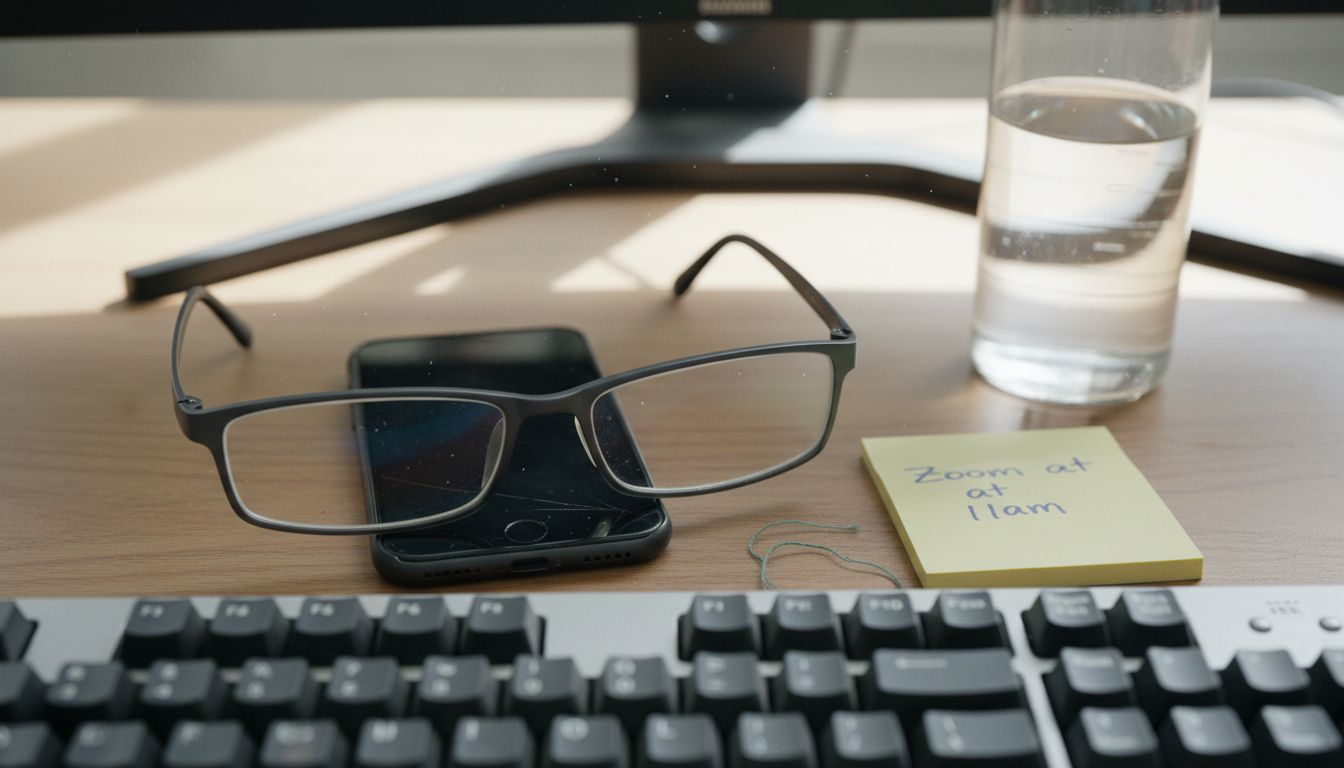
Here’s a summary of glasses types and their functions for digital eye strain:
| Type of Glasses | Optimal Use Distance | Key Features | Typical User |
|---|---|---|---|
| Computer glasses | 50-70 cm (arm’s length) | Blue light filter, wide view, tailored lens | Office workers, students |
| Reading glasses | 30-40 cm (close up) | Near vision lenses, basic coatings | Readers, older adults |
| Multifocal/progressive | All distances | Smooth transition between ranges, custom fit | Mixed screen and print users |
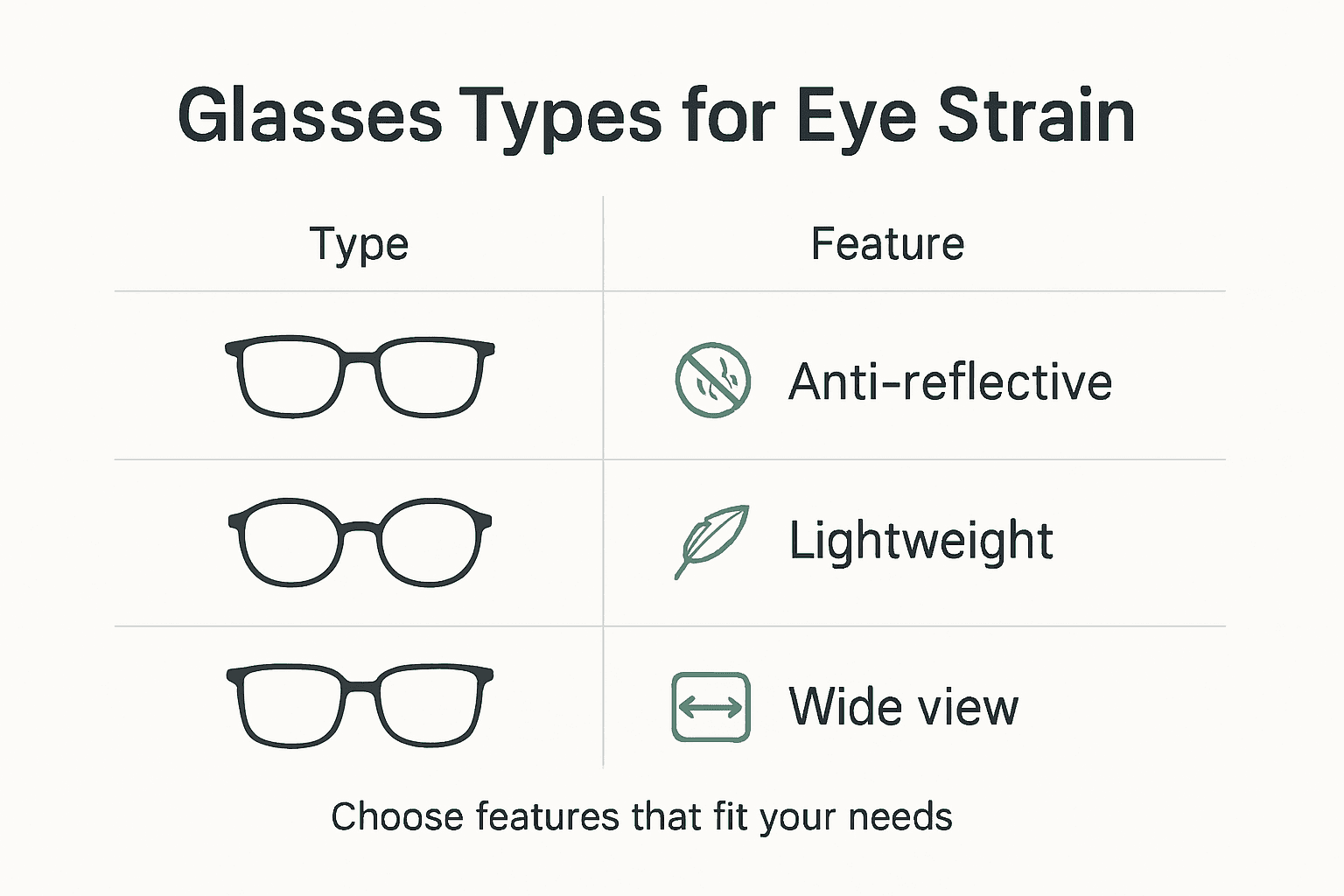
Pro tip: When selecting computer glasses, prioritise frames that provide a wide field of vision and lightweight comfort to ensure extended wearing comfort during long digital work sessions.
How Blue Light Blocking Lenses Work
Blue light blocking lenses have become increasingly popular among Australians seeking relief from digital eye strain, but understanding their actual functionality requires a nuanced approach. Blue light represents a specific segment of the visible light spectrum with shorter wavelengths and higher energy, typically associated with digital screens, LED lighting, and smartphone displays. These lenses are designed to filter out or reduce the transmission of this high-energy light, potentially mitigating its impact on eye health and visual comfort.
The theoretical mechanism behind blue light blocking glasses for digital screens involves selectively filtering wavelengths between 380-500 nanometres. By using specialised lens coatings and tints, these glasses aim to reduce potential retinal stress and minimise the physiological impact of prolonged digital device exposure. However, recent scientific research presents a more complex picture, with multiple studies indicating that the actual clinical benefits might be less significant than initially marketed.
Scientific investigations reveal nuanced findings about blue light blocking technology. While the lenses effectively reduce high-energy light transmission, current research suggests minimal measurable improvements in eye strain, contrast sensitivity, or visual performance. The primary value appears to be in potential reduction of circadian rhythm disruption, particularly when used in evening hours, rather than direct eye strain mitigation. This subtle distinction is crucial for consumers seeking evidence-based solutions to digital eye discomfort.
Pro tip: Consider using blue light blocking lenses in conjunction with other eye strain reduction strategies, such as regular screen breaks and proper workspace ergonomics, for comprehensive visual health management.
Lens Coatings and Special Features Explained
Modern eyewear technology has transformed glasses from simple vision correction tools into sophisticated visual performance systems. Lens coatings represent a critical innovation, offering Australians multiple layers of protection and enhanced visual comfort beyond traditional prescription lenses. These advanced treatments address specific challenges encountered during digital device use, screen-intensive work environments, and everyday visual demands.
Reading glasses lens coatings provide multiple functional benefits that go far beyond basic vision correction. Anti-reflective coatings significantly reduce glare by minimising light reflection from lens surfaces, which is particularly beneficial for computer users and individuals working in bright environments. Scratch-resistant coatings add a protective layer that increases lens durability, while hydrophobic treatments create a water-repellent surface that resists smudges, dirt, and makes cleaning significantly easier.
The science behind lens coatings involves sophisticated optical engineering designed to manipulate light transmission and interaction. UV protective coatings block harmful ultraviolet rays, safeguarding eye health, while specialised blue light filtering treatments aim to reduce high-energy wavelengths associated with digital screen emissions. These technological enhancements work synergistically to reduce eye strain, improve visual clarity, and provide comprehensive protection against environmental and digital light challenges that modern Australians encounter daily.
This table compares common lens coatings and their main benefits:
| Coating Type | Primary Purpose | Extra Benefit |
|---|---|---|
| Anti-reflective | Reduces glare from screens | Enhances clarity in bright light |
| Blue light filter | Minimises digital eye stress | May support circadian rhythm |
| Scratch-resistant | Protects against surface damage | Increases lens durability |
| Hydrophobic | Repels water and smudges | Eases lens cleaning |
| UV protection | Blocks harmful UV rays | Preserves long-term eye health |
Pro tip: When selecting glasses, prioritise lens coatings that offer multiple protective features, ensuring maximum comfort and long-term eye health.
Comparing Alternatives and Common Pitfalls
Addressing digital eye strain involves understanding that glasses are just one component of a comprehensive visual health strategy. Many Australians mistakenly believe specialised eyewear is a complete solution, overlooking critical behavioural and environmental factors that significantly impact eye comfort and performance. The most effective approach combines targeted optical solutions with holistic lifestyle modifications.
Top tips to prevent eye strain highlight that behavioural changes often prove more impactful than technological interventions alone. The widely recommended 20-20-20 rule exemplifies this approach: every 20 minutes, look at something 20 feet away for 20 seconds. This simple technique helps reset eye focusing mechanisms, reduces muscle fatigue, and provides natural breaks from intense screen engagement. Contrary to popular belief, blue light blocking glasses and computer-specific eyewear offer marginal benefits compared to comprehensive ergonomic strategies.
Common pitfalls in managing digital eye strain include over-relying on technological solutions while neglecting fundamental visual hygiene practices. Scientific reviews consistently demonstrate that workspace ergonomics, proper screen positioning, ambient lighting management, and regular vision check-ups are more reliable interventions. Uncorrected vision problems, poor workstation setup, and prolonged uninterrupted screen time contribute more significantly to eye strain than lens technology can independently resolve. Australians should approach eye health holistically, recognising that no single product can substitute for mindful digital device usage and regular eye health maintenance.
Pro tip: Consult an optometrist annually and prioritise a comprehensive eye health assessment over quick technological fixes.
Discover Glasses That Truly Ease Your Eye Strain Today
If you find yourself battling digital eye strain with headaches, blurred vision, or tired eyes after long hours at the screen, you are not alone. The right glasses can make a world of difference by reducing visual fatigue and improving your comfort during every digital session. Our carefully curated collection of Rectangular Reading Glasses offers stylish, functional eyewear designed to provide that essential near vision support and reduce strain when reading or working close up.

Take control of your eye health now by exploring premium eyewear options featuring blue light filtering and anti-reflective coatings. Don’t settle for discomfort or compromise your productivity. Visit Ministry of Sight today and find your perfect fit from a range that includes Clear Reading Glasses to suit your style and vision needs. Enjoy free shipping across Australia and buy-one-get-one deals that make caring for your sight affordable and easy.
Frequently Asked Questions
What types of glasses can help with digital eye strain?
Computer glasses and reading glasses are specifically designed to address digital eye strain. Computer glasses are optimized for intermediate distances, typically used at arm’s length, while reading glasses are designed for close range tasks, like reading.
How do blue light blocking lenses work to reduce eye strain?
Blue light blocking lenses filter out high-energy blue light emitted by digital screens, potentially reducing eye discomfort. However, recent research indicates that the primary benefit may be in minimizing circadian rhythm disruption rather than direct alleviation of eye strain symptoms.
What features should I look for in glasses to reduce eye strain?
Opt for glasses with anti-reflective coatings to minimize glare, blue light filtering technology for light protection, and customized prescriptions that cater to both near and intermediate vision ranges. These features enhance comfort during prolonged screen use.
How can I effectively manage digital eye strain beyond wearing glasses?
In addition to using specialized glasses, implement behavioural strategies such as the 20-20-20 rule, which involves looking at something 20 feet away for 20 seconds every 20 minutes, and ensuring proper workspace ergonomics to reduce eye fatigue.
Recommended
- Top Tips to Prevent Eye Strain for Aussie Eyewear Shoppers – ministry of sight
- Glasses for Reading and Computer Work: Smart Choices – ministry of sight
- Understanding Reading Glasses for Computer Use Guide – ministry of sight
- 7 Best Tips for Choosing Reading Glasses for Australia Climate – ministry of sight


