

More than 50 percent of australian adults over forty experience presbyopia, leading to growing interest in reading glasses and the terminology behind them. Clarity about lens strength, frame style, and fit means you are more likely to choose eyewear that supports both comfort and vision needs. By the end, you will understand the essential terms and specifications that help every australian make smarter choices for their near-vision glasses.
Table of Contents
- Core Terms In Reading Glasses Defined
- Types Of Lenses And Magnifications
- Key Measurements And Specifications Explained
- Frame Materials And Style Descriptions
- Choosing The Right Reading Glasses Online
Key Takeaways
| Point | Details |
|---|---|
| Understanding Reading Glasses | Reading glasses are designed to assist individuals with presbyopia by magnifying nearby text and objects, available in varying diopter strengths from +1.00 to +3.50. |
| Types of Lenses | Options include single-vision, bifocal, progressive, computer, and blue light filtering lenses to meet diverse visual needs. |
| Key Specifications | Essential measurements include diopter strength, lens width, bridge width, and frame material, impacting comfort and performance. |
| Shopping Online Tips | When purchasing reading glasses online, ensure accurate prescription assessment, know your measurements, and check return policies. |
Core Terms In Reading Glasses Defined
Reading glasses represent a specialized type of eyewear designed to help people who experience difficulty focusing on close-up text and details. Unlike standard prescription glasses, these optical accessories are specifically crafted to magnify nearby objects and text, making reading, writing, and detailed work significantly easier.
At their most basic, reading glasses are non-prescription magnifying lenses that help individuals compensate for presbyopia, an age-related condition where the eye’s natural lens becomes less flexible. These glasses come in standard magnification strengths, typically ranging from +1.00 to +3.50 diopters, allowing users to select the level of visual assistance that matches their specific near-vision requirements. Understanding Lens Types for Reading Glasses provides more detailed insights into how these lens strengths work.
Key terminology surrounding reading glasses includes several important concepts:
- Diopter: A unit of measurement indicating lens magnification strength
- Presbyopia: The natural age-related decline in near vision focus
- Progressive Lenses: Glasses with gradual magnification across different vision zones
- Bifocals: Lenses with two distinct optical powers for near and distant vision
While many people initially associate reading glasses with aging, they represent a practical visual aid that can help anyone experiencing near-vision challenges. Modern reading glasses are not just functional but also fashion-forward, with designs that range from classic to contemporary, ensuring users can find frames that complement their personal style while providing essential visual support.
Types Of Lenses And Magnifications
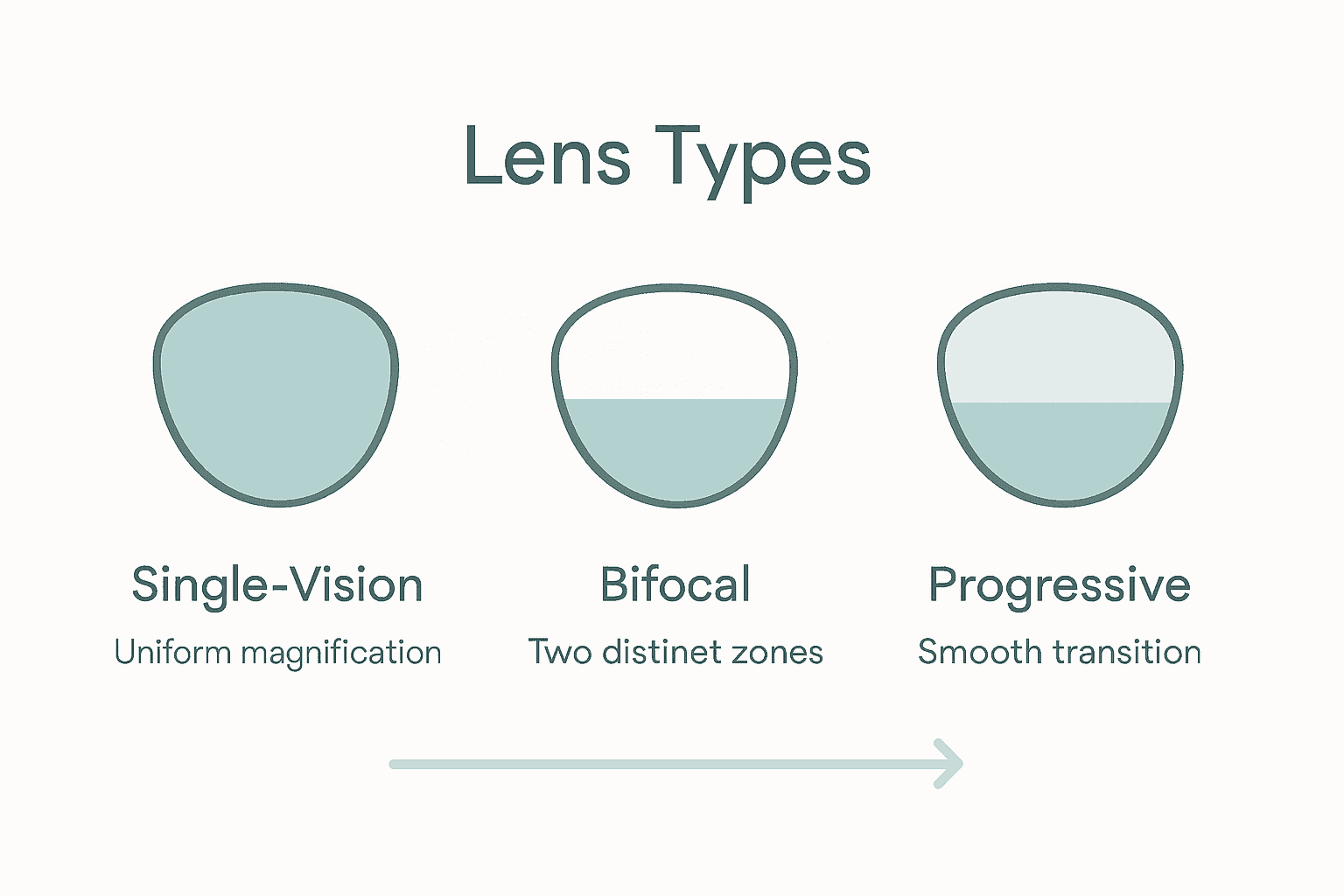
Reading glasses come in multiple lens types, each designed to address specific visual needs and preferences. Understanding these variations can help individuals select the most appropriate eyewear for their unique requirements. The primary lens types range from simple single-vision lenses to more complex multi-focal options that provide comprehensive visual support.
Single-Vision Lenses represent the most straightforward lens type, offering uniform magnification across the entire lens surface. These lenses are ideal for people who need consistent near-vision correction and typically have a consistent diopter strength ranging from +1.00 to +3.50. Parts of Reading Glasses: Complete Breakdown Guide provides additional details about lens construction and design.
More advanced lens types include:
- Bifocal Lenses: Feature two distinct optical zones with different magnification strengths
- Progressive Lenses: Offer gradual magnification transition without visible line segments
- Computer Reading Glasses: Specifically designed for digital screen viewing, reducing eye strain
- Blue Light Filtering Lenses: Provide protection against harmful digital screen emissions
Magnification strengths are critically important when selecting reading glasses. While most over-the-counter readers range from +1.00 to +3.50 diopters, some specialized options extend to +4.00 or higher. The right magnification depends on individual vision requirements, age, and specific near-vision tasks. Professional eye examinations can help determine the most appropriate lens strength for optimal visual comfort and performance.
Key Measurements And Specifications Explained
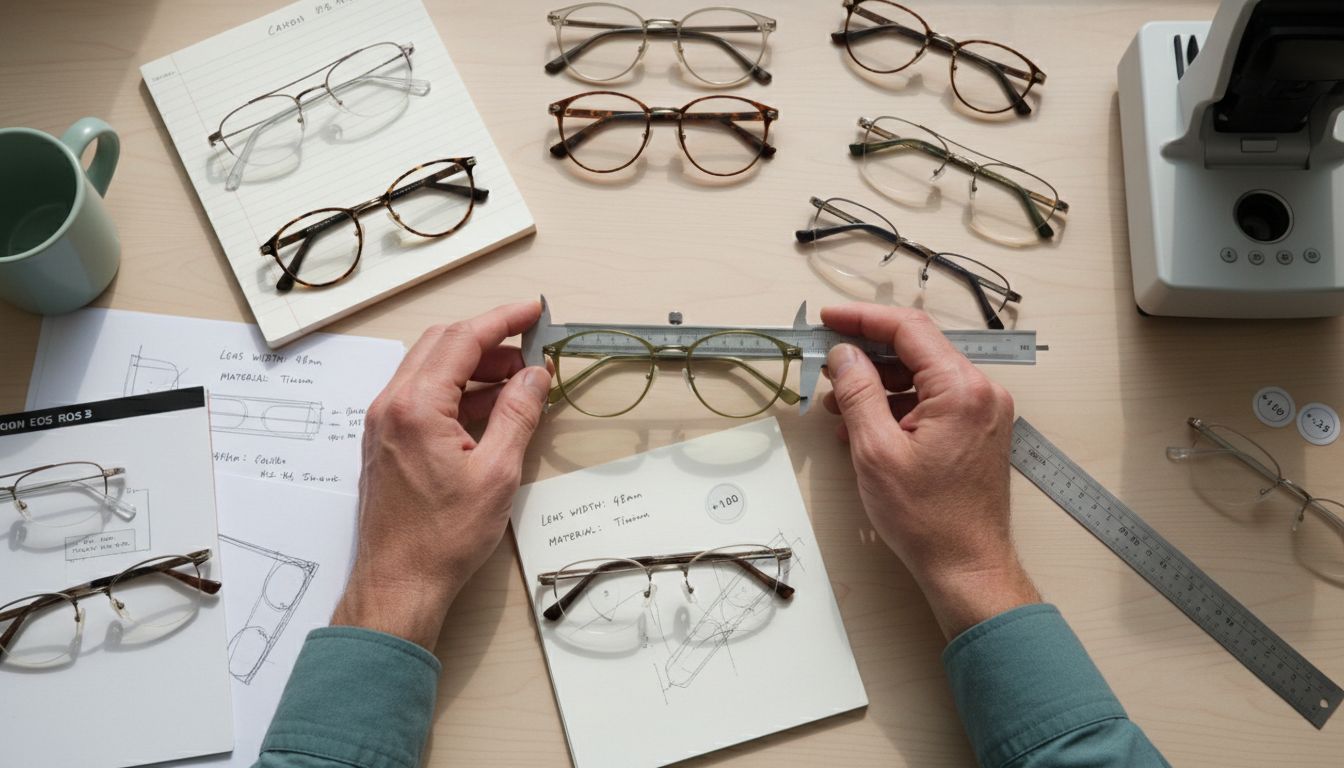
Selecting the right reading glasses requires understanding several critical measurements and specifications that directly impact visual performance and comfort. These technical details go beyond simple magnification, encompassing frame dimensions, lens characteristics, and individual vision requirements.
Diopter Strength is the most fundamental specification for reading glasses, representing the lens’s magnifying power. Typically measured in increments of +0.25, diopter strengths range from +1.00 to +3.50 for standard over-the-counter readers. Reading Glasses Explained: Key Benefits and Necessity highlights how choosing the correct diopter is crucial for optimal visual clarity.
Key measurements to consider include:
- Lens Width: Horizontal measurement of the lens, typically ranging from 48-56mm
- Bridge Width: Distance between lens frames, affecting nose comfort
- Temple Length: Arm length that ensures proper frame fit behind ears
- Frame Material: Impacts durability, weight, and overall comfort
- Lens Coating: Can include anti-reflective, scratch-resistant, or blue light filtering properties
Professional optometrists recommend periodic vision assessments to accurately determine the most appropriate reading glasses specifications. Factors like age, occupation, digital screen time, and individual vision changes can influence the ideal lens strength and frame configuration. Precise measurements ensure not just improved vision, but also long-term eye health and wearing comfort.
Frame Materials And Style Descriptions
Reading glasses have evolved far beyond simple functional eyewear, transforming into fashion accessories that reflect personal style while providing essential visual support. Frame materials and design play a crucial role in both the aesthetic appeal and practical performance of reading glasses, offering users a wide range of options to suit individual preferences and lifestyle needs.
Metal Frames represent a classic and versatile option in reading glasses, typically crafted from materials like stainless steel, titanium, and aluminum. These frames are prized for their durability, lightweight construction, and sleek aesthetic. Titanium frames, in particular, offer exceptional strength-to-weight ratio and hypoallergenic properties, making them ideal for users with sensitive skin. Parts of Reading Glasses: Complete Breakdown Guide provides additional insights into frame material characteristics.
Popular frame material options include:
- Plastic Frames: Lightweight, affordable, and available in numerous colors and styles
- Acetate Frames: Highly flexible and comfortable, with rich color options
- Rimless Frames: Minimalist design offering a subtle, elegant appearance
- Combination Frames: Blending metal and plastic for unique aesthetic combinations
- Memory Metal Frames: Flexible frames that can return to original shape after bending
Contemporary reading glasses embrace diverse style categories, ranging from professional and understated to bold and fashion-forward. Whether seeking classic rectangular shapes, trendy round frames, or sophisticated semi-rimless designs, users can now find reading glasses that not only enhance vision but also complement personal fashion sensibilities. The key is selecting frames that provide both visual comfort and an expression of individual style.
Choosing The Right Reading Glasses Online
Purchasing reading glasses online requires a strategic approach that balances personal vision needs, style preferences, and practical considerations. The digital shopping landscape offers unprecedented convenience, but also demands careful navigation to ensure you select the most suitable eyewear for your specific requirements.
Accurate Prescription Assessment is the critical first step in selecting reading glasses online. Most consumers can determine their ideal diopter strength through simple at-home tests or by referencing their most recent eye examination results. How to Shop Reading Glasses Online for Best Results provides comprehensive guidance for navigating this process effectively.
Key considerations when shopping for reading glasses online include:
- Precise Measurements: Know your pupillary distance and frame size preferences
- Virtual Try-On Tools: Utilize digital platforms that allow frame previews
- Return Policy: Check comprehensive return and exchange options
- Lens Coating Options: Evaluate additional protective lens treatments
- Style Compatibility: Match frames to personal facial structure and aesthetic
Modern online shopping platforms have revolutionized eyewear selection, offering detailed product specifications, high-resolution images, and customer reviews that enable informed purchasing decisions. The key is approaching online shopping methodically, comparing multiple options, and prioritizing both visual functionality and personal style preferences.
Discover Your Perfect Reading Glasses with Confidence
Understanding key terms like diopter strength and lens types can feel overwhelming when you need reading glasses that truly work for you. Whether you face difficulty focusing on close-up text or want to find frames that combine comfort and style, mastering this terminology is the first step to clearer vision and lasting eye comfort. The right knowledge helps you avoid frustration and make smart choices.
Explore our wide selection of Stylish Reading Glasses for Men and Women designed to meet diverse vision needs and style preferences.
Take control of your near vision today by choosing frames that suit your lifestyle and optical requirements. Visit Ministry of Sight now and enjoy fast Australian-wide shipping, buy-one-get-one deals, and a satisfaction guarantee tailored to your needs. Don’t wait to see the difference the right reading glasses can make.
Frequently Asked Questions
What are reading glasses primarily used for?
Reading glasses are designed to help individuals who have difficulty focusing on close-up text and details, particularly those experiencing presbyopia, a natural age-related decline in near vision focus.
What is the difference between bifocal and progressive lenses in reading glasses?
Bifocal lenses have two distinct optical zones for near and distant vision, while progressive lenses offer a gradual transition between multiple magnification strengths without visible lines, catering to various vision needs in one lens.
How do I determine the right diopter strength for my reading glasses?
The right diopter strength typically ranges from +1.00 to +3.50 for most over-the-counter readers, but individual vision assessments or at-home testing can help determine the appropriate strength based on personal near-vision requirements.
What frame materials are available for reading glasses, and how do they differ?
Frame materials include metal, plastic, acetate, and memory metal, each offering different durability, weight, comfort, and aesthetic appeal. For example, metal frames are known for their strength and sleek design, while plastic frames are lighter and available in a wide variety of colours.


