

Almost everyone over 40 notices the small print starts to blur. With more than 1.8 billion people worldwide affected by presbyopia, the need for reading glasses has never been greater. Struggling to focus on books, screens, or detailed work is frustrating, but the right pair of reading glasses brings near vision back into sharp clarity. If you want to ease eye strain and read comfortably again, understanding how reading glasses work can make all the difference.
Table of Contents
- Defining Reading Glasses And Their Purpose
- Types Of Reading Glasses Explained
- How Reading Glasses Enhance Visual Comfort
- Who Should Use Reading Glasses
- Common Mistakes When Buying Reading Glasses
Key Takeaways
| Point | Details |
|---|---|
| Purpose of Reading Glasses | Designed to improve near vision clarity and alleviate presbyopia effects, especially for tasks like reading and crafting. |
| Types of Reading Glasses | Options include full-frame, half-eye, and bifocal lenses, catering to different preferences and vision needs. |
| Visual Comfort Benefits | Reading glasses reduce eye strain, headaches, and improve reading speed by supporting relaxed vision during close tasks. |
| Buying Considerations | Professional eye examinations are crucial for selecting the right magnification and ensuring comfort, rather than relying on generic over-the-counter options. |
Defining Reading Glasses and Their Purpose
Reading glasses are specialized corrective lenses designed to help people overcome the natural decline in near vision that occurs with age. Unlike standard prescription eyewear, these glasses focus specifically on improving close-up visual clarity for tasks like reading, crafting, or working on detailed projects.
At their core, reading glasses address a common age-related condition called presbyopia. This natural vision change typically begins around age 40, when the eye’s lens becomes less flexible and struggles to focus on nearby objects. By providing targeted magnification, reading glasses help compensate for this reduced focusing ability, making close-up text and details crisp and legible.
The primary functions of reading glasses include:
- Reducing eye strain during close-up tasks
- Enhancing visual clarity for reading and detailed work
- Providing adjustable magnification levels to suit individual needs
- Offering an affordable and non-invasive vision correction solution
For those experiencing difficulty reading small print or feeling eye fatigue after extended close-up work, understanding the role of reading glasses can help determine whether these specialized lenses might improve daily visual comfort and performance.
Types of Reading Glasses Explained
Reading glasses are not a one-size-fits-all solution. Different styles cater to unique vision needs and personal preferences, offering versatile options for improving near vision. From classic full-frame designs to innovative multi-focal configurations, understanding these variations can help you find the perfect pair.
Traditionally, reading glasses come in three primary styles:
- Full-Frame Readers: These classic glasses feature lenses with uniform magnification across the entire lens, ideal for extended reading or close-up work like crafting or detailed computer tasks.
- Half-Eye Readers: Designed with a smaller lens area, these glasses sit lower on the nose, allowing wearers to look over the lens for distance vision while providing magnification for close-up activities.
- Bifocal Reading Glasses: These advanced glasses combine two distinct optical powers in a single lens, enabling seamless transitions between near and far vision without changing eyewear.
Modern reading glasses have evolved beyond basic functionality, incorporating style, comfort, and advanced lens technologies. Understanding the types of reading glasses can help you select a pair that not only improves your vision but also complements your personal aesthetic and lifestyle needs.
When choosing reading glasses, consider factors like magnification strength, frame style, and intended use. Some readers are optimized for digital screens, while others excel at traditional print reading. The right pair can significantly reduce eye strain and enhance your visual comfort during close-up tasks.

How Reading Glasses Enhance Visual Comfort
Visual comfort is more than just seeing clearly—it’s about reducing strain and making close-up tasks effortless. Reading glasses play a crucial role in transforming how we experience near-vision activities, providing targeted support that minimizes eye fatigue and improves overall reading experience.
The primary way reading glasses enhance visual comfort is by reducing eye strain. When our eyes struggle to focus on close objects, they work overtime, causing muscle tension and discomfort. Reading glasses eliminate this extra effort by providing precise magnification that allows eyes to relax while reading, working on detailed projects, or using digital devices. This means less squinting, fewer headaches, and a more comfortable visual experience.
Key benefits of reading glasses for visual comfort include:
- Immediate focus without eye muscle tension
- Reduced likelihood of headaches and eye fatigue
- Improved reading speed and comprehension
- Enhanced ability to maintain concentration during close-up tasks
- Minimized visual stress during extended reading or computer work
How reading glasses improve reading goes beyond simple magnification. These specialized lenses are engineered to provide optimal visual support, helping your eyes maintain a natural, relaxed state during tasks that would typically cause significant strain. By investing in quality reading glasses, you’re not just improving vision—you’re protecting your long-term eye health and comfort.

Who Should Use Reading Glasses
Reading glasses are not exclusively for seniors or those with advanced vision changes. They serve a diverse range of individuals experiencing near-vision challenges, from young professionals to active retirees. Understanding who might benefit from these specialized lenses can help people proactively manage their visual health and comfort.
Primarily, reading glasses are recommended for individuals experiencing presbyopia, a natural age-related vision change typically beginning around age 40. This condition causes the eye’s lens to become less flexible, making close-up tasks like reading, smartphone use, or detailed work increasingly difficult. However, presbyopia isn’t confined to a specific age group and can affect people differently based on genetics, lifestyle, and overall eye health.
Key groups who might benefit from reading glasses include:
- Professionals who spend extensive time on digital devices
- Individuals over 40 experiencing difficulty reading small print
- Crafters and hobbyists working on detailed projects
- People experiencing eye strain during close-up tasks
- Individuals with jobs requiring precision and near-vision focus
Why you might need reading glasses even at a younger age can be complex. While age is a significant factor, individual vision needs vary widely. Some people might require reading glasses in their early 30s, while others might not need them until their 50s. Regular eye examinations can help determine the right time to incorporate reading glasses into your daily routine.
Common Mistakes When Buying Reading Glasses
Buying reading glasses might seem straightforward, but many people fall into common traps that compromise their visual comfort and eye health. What looks like a simple purchase can quickly become a source of frustration if you’re not careful about selecting the right pair for your specific vision needs.
One of the most critical mistakes people make is choosing reading glasses without a professional eye examination. Over-the-counter readers might seem convenient, but they’re essentially a one-size-fits-all solution that doesn’t account for individual vision differences. Each eye can have unique characteristics like astigmatism or varying prescription strengths, which generic readers completely overlook. This can lead to unnecessary eye strain, headaches, and potentially worsen existing vision problems.
Common pitfalls when purchasing reading glasses include:
- Selecting random magnification without professional guidance
- Ignoring frame fit and comfort
- Purchasing solely based on price
- Neglecting lens quality and material
- Failing to consider specific usage requirements
- Overlooking potential vision asymmetries between eyes
The dos and don’ts of wearing reading glasses can help you navigate these potential challenges. Professional optometrists recommend getting a comprehensive eye exam before investing in reading glasses, as this ensures you’re selecting eyewear that genuinely matches your vision needs. Remember, cheap isn’t always better when it comes to something as important as your eye health.
Discover Your Perfect Pair for Ultimate Reading Comfort
Struggling with eye strain or blurred close-up vision is a challenge many face as they age. This article highlighted how reading glasses ease discomfort caused by presbyopia and other near-vision issues. If you want to reduce eye fatigue, improve focus, and enjoy your favourite books or screen time effortlessly, choosing the right style and magnification is essential.
Explore our selection of Rectangular Reading Glasses and Classic Reading Glasses designed to meet your unique needs while complementing your style.
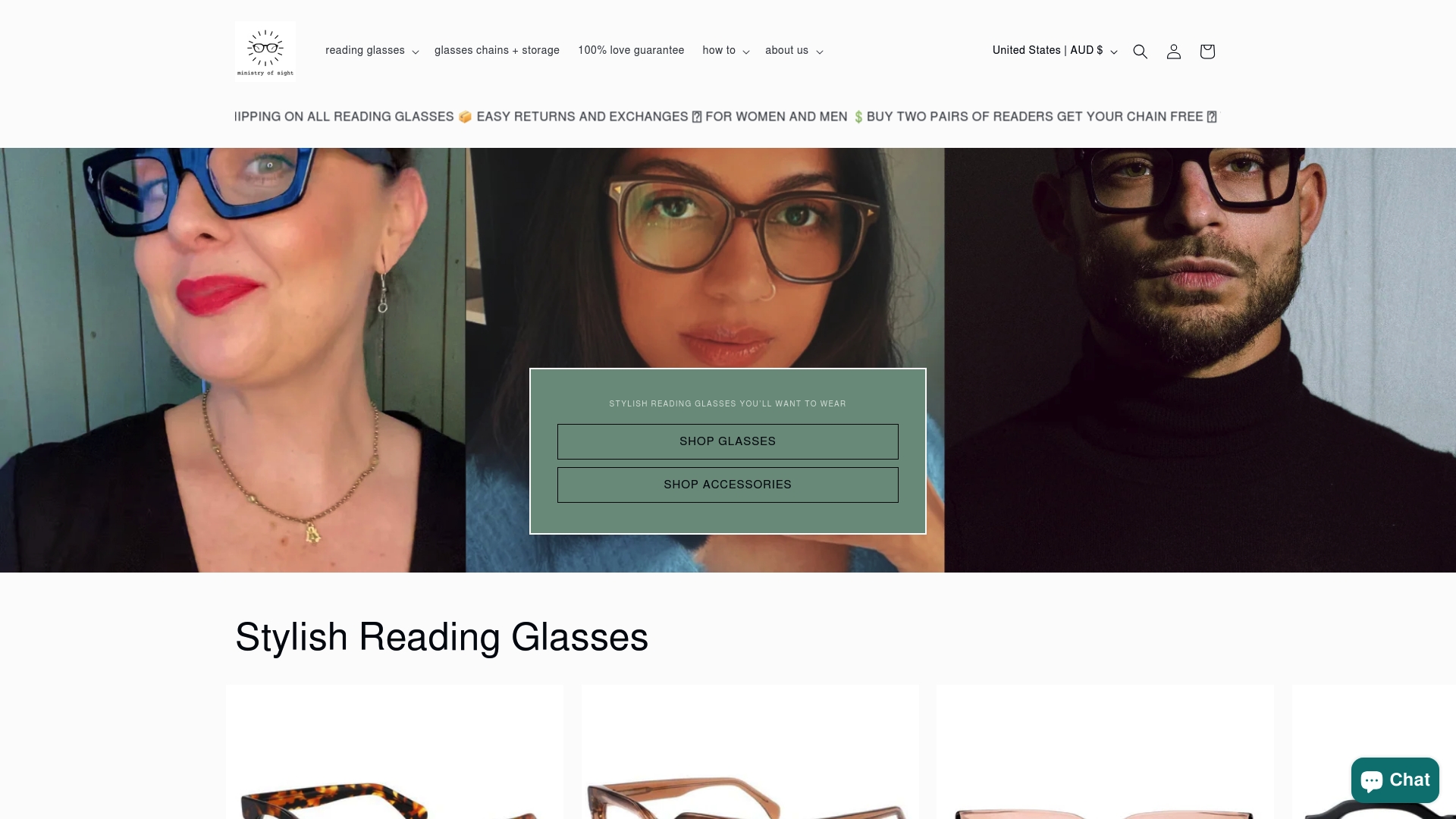
Take control of your visual comfort today. Visit Ministry of Sight now to browse quality reading glasses with free shipping across Australia and exclusive deals. Your eyes deserve the best support so act now and experience clear close vision without strain.
Frequently Asked Questions
What are reading glasses used for?
Reading glasses are specialized corrective lenses designed to improve near vision for tasks such as reading, crafting, or working on detailed projects, primarily addressing the age-related condition known as presbyopia.
Who should consider using reading glasses?
Reading glasses are recommended for individuals, especially those over 40, experiencing difficulty focusing on close objects due to presbyopia. However, even younger individuals may need them for activities requiring detailed vision.
What types of reading glasses are available?
There are several types of reading glasses, including full-frame readers, half-eye readers, and bifocal reading glasses, each catering to different vision needs and preferences respectively.
How do reading glasses enhance visual comfort?
Reading glasses enhance visual comfort by providing targeted magnification, reducing eye strain, and allowing for a relaxed focus during close-up tasks, leading to improved reading speed, comprehension, and overall visual experience.


