

Finding glasses that genuinely feel like you is harder than it sounds. You can scroll through hundreds of frames, try on a dozen pairs, and still walk away feeling like something is off. The problem is rarely about the glasses themselves. It is about not having a clear sense of what you are actually looking for before you start. This guide walks you through a practical, step-by-step process to personalise your eyewear style, from understanding your fashion personality to adding finishing touches that make your glasses unmistakably yours. Whether you lean bold and expressive or clean and understated, there is a method to finding frames that work for both your look and your life.
Table of Contents
- Understanding your personal style and glasses needs
- Preparation: Assessing face shape, colour palette, and preferences
- Step-by-step: Customising your glasses for unique style
- Troubleshooting, common mistakes, and verifying your personalised style
- Why self-expression with glasses matters more than following fashion rules
- Explore eyewear customisation with Ministry of Sight
- Frequently asked questions
Key Takeaways
| Point | Details |
|---|---|
| Fit and comfort first | Choose glasses based on how they feel and fit, not just their appearance. |
| Try multiple options | Test several styles and shapes in person to find what truly suits you. |
| Express your personality | Let your glasses reflect your unique style, not just current fashion trends. |
| Customise with accessories | Use chains, cases, and coatings to add flair and functional benefits. |
Understanding your personal style and glasses needs
Before you even think about browsing frames, it helps to get honest about your style. Not the style you aspire to, but the one you actually live in every day. Are you drawn to clean lines and neutral tones? Or do you reach for colour, pattern, and statement pieces? Knowing this shapes every decision that follows.
Most people fall into one of three broad fashion personalities:
- Bold and expressive: You enjoy standing out. Oversized frames, bright colours, and unusual shapes feel natural to you.
- Classic and polished: You prefer timeless looks. Tortoiseshell, gold metal, and refined silhouettes are your comfort zone.
- Minimalist and understated: Less is more. You gravitate toward thin frames, neutral tones, and clean design.
Your lifestyle matters just as much as your aesthetic. A graphic designer working in a creative studio has very different needs from a nurse or a tradesperson. Think about where you spend most of your time and what your glasses need to handle. Do they need to survive an active lifestyle? Sit comfortably under a hard hat? Look sharp in client meetings?
Balancing self-expression with professional context is a real consideration. You might love a pair of chunky red frames, but if you work in a conservative corporate environment, you may want a second pair that reads as more polished. That is not a compromise. It is just being practical about the role your glasses play in different settings.
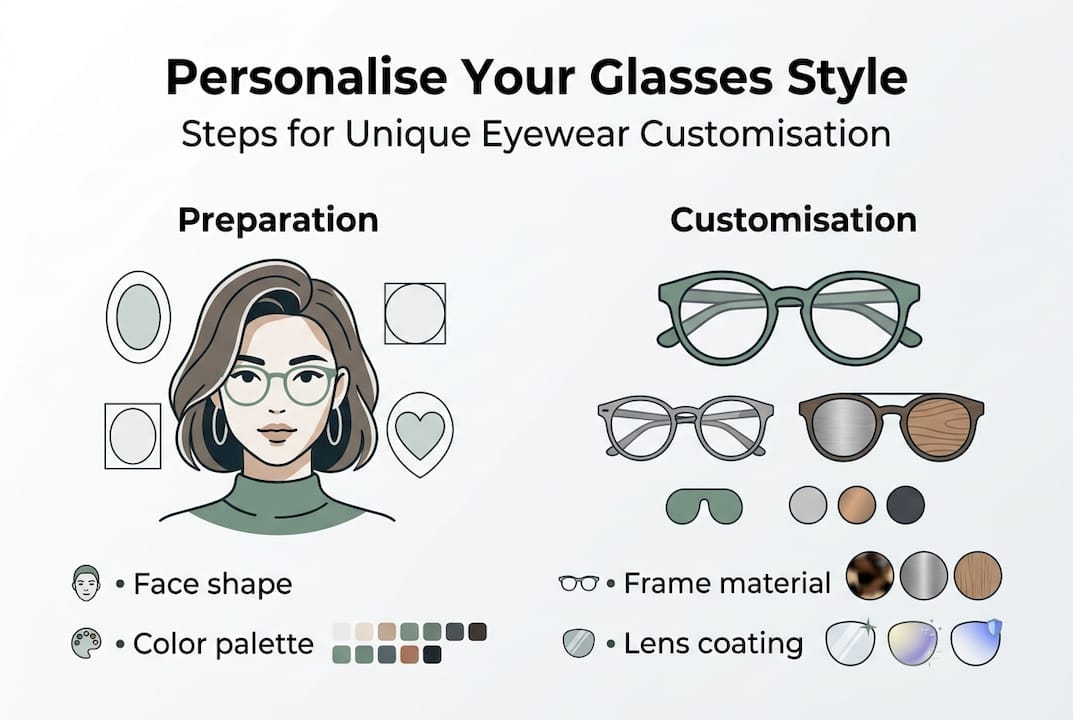
The most important rule, and one that is easy to forget when you are surrounded by trend content, is that fit and comfort come first. A beautifully styled frame that pinches your temples or slides down your nose will frustrate you within a week. Getting the basics right on frames for style and comfort means you will actually wear your glasses with confidence, not just own them.
Pro Tip: Spend five minutes writing down three words that describe your personal style before you shop. Bring that list with you. It acts as a filter when you are overwhelmed by options.
Understanding the role of eyewear in fashion also helps you see glasses as more than a vision tool. They are a centrepiece of your face. Treat them accordingly.
Preparation: Assessing face shape, colour palette, and preferences
Once you know your style personality, the next step is practical preparation. This is where you gather the raw information that will guide your frame selection with far more precision than guessing.
Face shape is the starting point. Most faces fall into one of these categories: oval, round, square, heart, or oblong. Each shape has frame styles that naturally complement it. For example, round faces tend to benefit from angular frames that add definition, while square faces often look great with softer, rounder shapes. The best glasses shape for your face is not about rigid rules, but about understanding contrast and balance.

To identify your face shape, pull your hair back and look straight into a mirror. Trace the outline of your face with a lip liner or eyeliner on the mirror surface. The resulting shape gives you a clear starting point.
Colour palette is equally important. Consider three factors:
- Skin tone: Warm skin tones (golden, peachy, olive) suit earthy frames like tortoiseshell, brown, and warm gold. Cool skin tones (pink, blue undertones) work well with silver, black, and jewel tones.
- Eye colour: Frames that contrast your eye colour tend to make your eyes pop more.
- Hair colour: Dark hair creates a strong contrast with lighter frames. Lighter hair pairs well with both neutral and bold frame colours.
Frame material also shapes the final result. Here is a quick comparison:
| Material | Pros | Cons |
|---|---|---|
| Plastic/acetate | Bold colours, lightweight, affordable | Can warp in heat |
| Metal | Sleek, durable, adjustable | Fewer colour options |
| Hybrid | Combines both strengths | Can be pricier |
Once you have your face shape, colour preferences, and material shortlist sorted, use the reading glasses fit checklist to confirm your criteria before you start trying frames. Multiple try-ons are essential to find what truly complements your features and personal style. Do not skip this step.
Step-by-step: Customising your glasses for unique style
Now comes the enjoyable part. With your preparation done, you can move through a clear sequence to build a look that is genuinely yours.
- Choose your frame shape first. Based on your face shape assessment, shortlist two or three silhouettes that create the right visual balance. Try them on in person if possible, or use virtual try-on tools online.
- Select your colour and detailing. Once you have a shape you love, look at colour options and frame detailing. Subtle patterns, two-tone finishes, or decorative temples (the arms of the frame) can add personality without going overboard.
- Add accessories for individuality. Glasses chains are having a serious moment in Australian fashion. They are functional, keeping your glasses close when you take them off, and they add a distinctive styling element. A quality case also says something about how you treat your things.
- Choose lens upgrades that suit your lifestyle. This is where function meets personalisation.
Here is a breakdown of popular lens add-ons:
| Lens coating | Best for | Benefit |
|---|---|---|
| Blue light filter | Screen-heavy work or study | Reduces eye strain from digital devices |
| Anti-glare | Driving, office lighting | Clearer vision, reduces reflections |
| UV protection | Outdoor activities | Protects eyes from sun damage |
| Photochromic | Mixed indoor/outdoor use | Adjusts tint automatically |
As the Specsavers glasses guide puts it, personal style trumps rules. Bold works for expressive personalities, classic works for professional settings. Neither is wrong. The key is choosing deliberately rather than defaulting to whatever is trending.
Pro Tip: If you are unsure about a bold frame, try it with a neutral outfit first. A strong frame often works better than you expect when the rest of your look is simple.
For more detailed guidance on frame choices by face type, check out the fashionable glasses style guide, or explore specific advice for square face glasses styles and round face glasses styles.
Troubleshooting, common mistakes, and verifying your personalised style
Even with a solid plan, things can go sideways. Here are the most common mistakes people make when personalising their glasses, and how to avoid them.
Following trends without considering comfort. A frame shape that is everywhere on Instagram might not suit your face or feel comfortable after three hours of wear. Trends are useful as inspiration, not instruction.
Choosing frames that clash with face shape. This is the most frequent issue. Round frames on a round face can make features appear heavier. Overly angular frames on a heart-shaped face can look harsh. Understanding contrast is the fix.
Skipping the multiple try-on step. Fit and comfort matter more than trends, and you simply cannot know how a frame truly feels until you have worn it for a while. Try at least three to five different styles before committing.
Ignoring temple and bridge fit. Frames that are too tight at the temples cause headaches. Frames that sit too low on the nose affect your vision and posture. These are fixable with adjustments, but only if you notice them first.
Here is a quick troubleshooting checklist:
- Do the frames sit level on your face without tilting?
- Is there any pinching at the temples after 20 minutes of wear?
- Do the lenses sit in the correct position relative to your eyes?
- Do the frames complement your face shape rather than mirror it?
- Have you asked someone whose opinion you trust for honest feedback?
“The best glasses are the ones you forget you are wearing, except when you catch your reflection and feel genuinely pleased.”
Seeking feedback from a friend or your optician is genuinely useful. We all have blind spots about our own appearance. A second opinion, especially from someone who understands fit, can save you from a purchase you will regret. For practical advice on wearing glasses in professional settings, the work glasses comfort tips guide covers the key considerations.
Why self-expression with glasses matters more than following fashion rules
Here is something the mainstream eyewear conversation rarely says directly: the rules are mostly made up. Face shape guidelines, colour matching charts, and trend reports are useful starting points, but they are not laws. We have seen people break every so-called rule and look extraordinary because their glasses felt authentically theirs.
Conventional wisdom pushes people toward safe choices. Classic frames, neutral colours, shapes that are universally flattering. The result is a sea of sameness. Everyone looks fine. Nobody looks remarkable.
The people who wear their glasses with real confidence are the ones who chose based on genuine self-knowledge, not a checklist. They understood their personality, their lifestyle, and what made them feel like themselves. Then they chose accordingly.
Glasses are one of the few accessories you wear on your face every single day. They are seen in every meeting, every photo, every conversation. That makes them one of the most powerful tools for eyewear as self-expression available to you. Treat the choice with the seriousness it deserves, and then have fun with it.
Explore eyewear customisation with Ministry of Sight
Ready to put this into practice? Ministry of Sight makes it easy for Australian shoppers to find frames and accessories that genuinely reflect their personal style.
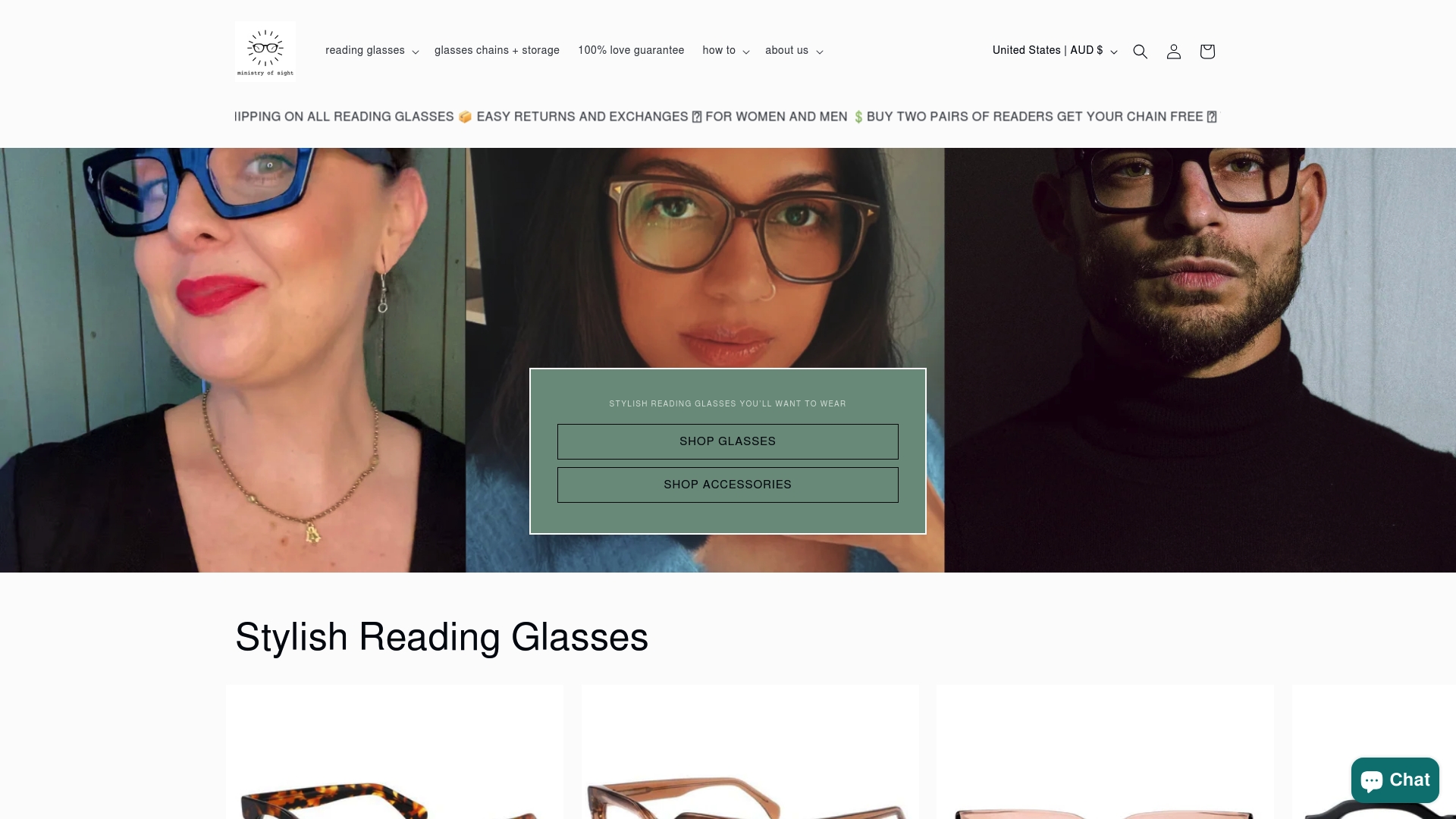
Browse a wide range of glasses accessories including chains, cases, and lens add-ons that let you personalise beyond the frame itself. Whether you are after something bold and expressive or clean and classic, the stylish frames collection covers both trend-driven and timeless options. With free shipping across Australia and a satisfaction guarantee, exploring your options has never been more straightforward. Your next favourite pair is closer than you think.
Frequently asked questions
How can I choose glasses that match my personality?
Start by identifying your style traits and lifestyle needs, then select frames and colours that represent your character. As the Specsavers glasses guide notes, personal style trumps trends every time.
What is the best method to try glasses for fit and comfort?
Multiple try-ons are essential. Test various shapes, materials, and styles to ensure both comfort and visual appeal before making a final decision. Multiple try-ons are crucial for finding the best fit.
Should I prioritise trends or my own preferences when choosing glasses?
Always prioritise your preferences and comfort over trends. The best glasses are those that reflect your personality and feel right on your face. Comfort and fit matter more than what is currently popular.
Can accessories help personalise my glasses?
Absolutely. Accessories like chains, quality cases, and lens coatings allow you to customise both the look and functionality of your glasses well beyond the frame alone.


