

Over 1.3 billion people worldwide deal with presbyopia, making reading glasses an everyday necessity for many adults. As daily tasks demand more screen time and split-second focus shifts, traditional glasses can quickly become frustrating. Flexible reading glasses offer a smarter solution, combining adaptive technology with all-day comfort. Discover how these innovative frames address modern vision challenges, help you avoid constant eyewear swaps, and deliver a better fit for busy lifestyles.
Table of Contents
- Defining Flexible Reading Glasses And Their Purpose
- Different Types And Materials Explained
- Key Advantages For Everyday Users
- How Flexible Frames Improve Comfort And Durability
- Cost Considerations And Alternatives Compared
Key Takeaways
| Point | Details |
|---|---|
| Innovative Solution for Presbyopia | Flexible reading glasses adapt to various vision needs, offering adjustable magnification for seamless transitions between tasks. |
| Material and Design Evolution | Constructed from advanced materials like TR90, these glasses provide durability, comfort, and flexibility, catering to diverse user preferences. |
| Cost-Effective Long-Term Investment | Although initial costs may be higher, flexible reading glasses reduce the need for multiple pairs, providing long-term savings and enhanced user experience. |
| Versatile and Comfortable | Designed for modern lifestyles, they offer ergonomic features that minimize eye strain and enhance comfort across different visual environments. |
Defining Flexible Reading Glasses and Their Purpose
Flexible reading glasses represent an innovative solution designed to address the evolving vision needs of people experiencing presbyopia, a natural age-related vision condition that makes close-up reading increasingly challenging. Unlike traditional rigid reading glasses, these adaptive eyewear options offer unprecedented comfort and versatility for wearers who require different magnification strengths throughout their daily activities.
The primary purpose of flexible reading glasses is to provide dynamic visual assistance that seamlessly adapts to changing environments and tasks. These glasses typically feature adjustable lens strengths, allowing users to shift between reading fine print, working on digital devices, and viewing objects at varying distances without constantly changing eyewear. Understanding what are reading glasses becomes crucial in appreciating the technological advancement these glasses represent.
Key characteristics that define flexible reading glasses include:
- Adaptive Lens Technology: Integrated mechanisms that allow instantaneous prescription adjustments
- Lightweight Design: Constructed from materials that prioritize comfort and extended wear
- Multi-Distance Functionality: Enabling clear vision across near, intermediate, and far-distance ranges
- Ergonomic Frames: Engineered to reduce eye strain and provide superior wearing comfort
These innovative eyewear solutions cater to individuals seeking practical, user-friendly vision correction that matches the dynamic nature of modern lifestyles. Whether you’re a professional navigating multiple screens, an avid reader, or someone who values convenience in vision correction, flexible reading glasses offer a sophisticated approach to managing presbyopia with unprecedented ease and adaptability.
Different Types and Materials Explained
Flexible reading glasses come in a remarkable variety of types and materials, each designed to meet specific user needs and preferences. The evolution of eyewear technology has transformed these practical vision aids from simple magnifying tools into sophisticated, adaptable accessories that blend functionality with personal style. Complete Guide to How Reading Glasses Work provides deeper insights into the technological innovations driving these advancements.
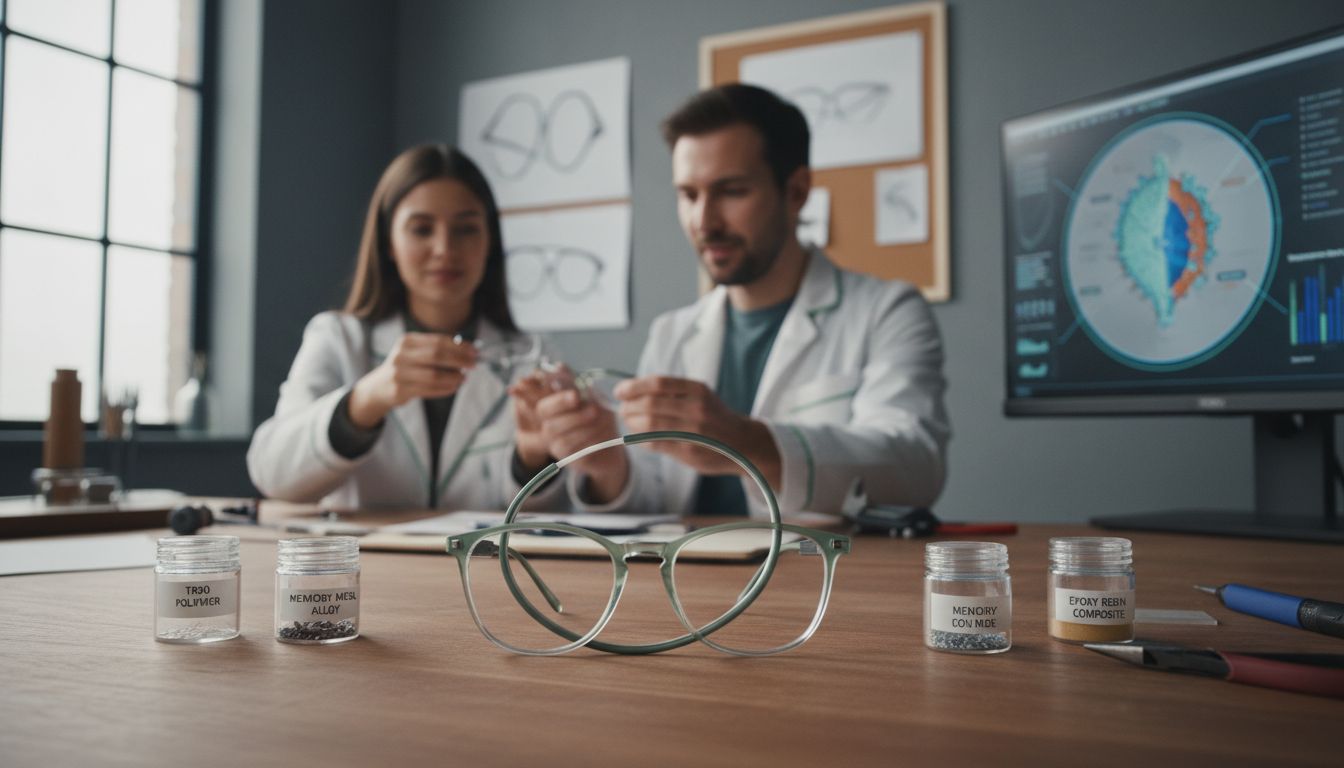
One standout material in modern flexible reading glasses is TR90, a remarkable thermoplastic developed in Switzerland. This innovative material offers exceptional characteristics that set it apart from traditional frame materials. TR90 is incredibly lightweight, heat-resistant, and hypoallergenic, making it an ideal choice for users seeking comfort and durability. Its unique properties allow the frames to flex and return to their original shape, providing unparalleled resilience and long-lasting wear.
The primary types of flexible reading glasses can be categorized based on their material composition and design features:
-
Thermoplastic Frames:
- TR90 material
- Extremely lightweight
- High flexibility and durability
- Hypoallergenic properties
-
Epoxy Resin Frames:
- Optyl material
- Heat-sensitive technology
- Molds perfectly to facial contours
- Returns to original shape when reheated
-
Memory Metal Frames:
- Nickel-titanium alloy construction
- Self-adjusting capabilities
- Remarkable bend and twist resistance
- Ideal for active lifestyles
Beyond material considerations, flexible reading glasses also vary in their adjustment mechanisms. Some models feature manual sliding lens adjustments, while more advanced versions incorporate electronic or digital prescription modification technologies. These innovations ensure that users can seamlessly transition between different visual requirements without compromising comfort or clarity. Whether you’re a professional who switches between close-up document reading and distant presentations or an individual seeking versatile vision correction, there’s a flexible reading glasses solution designed to meet your unique needs.
Key Advantages for Everyday Users
Flexible reading glasses have revolutionized vision correction by addressing the complex visual demands of modern lifestyles. Unlike traditional reading glasses that require constant switching or multiple pairs, these innovative eyewear solutions provide unprecedented adaptability and convenience. Reading Glasses: Complete Guide to Reading Comfort offers additional insights into how these glasses transform daily visual experiences.
The primary advantages of flexible reading glasses extend far beyond simple magnification. Adaptive functionality stands out as the most significant benefit, allowing users to seamlessly transition between different visual tasks without changing eyewear. Professionals who frequently move between computer screens, printed documents, and mobile devices will find these glasses particularly transformative. Imagine reading a report, glancing at your smartphone, and then looking across the room - all without adjusting your glasses or experiencing visual strain.
Key advantages for everyday users include:
-
Versatile Vision Correction:
- Adjustable magnification strengths
- Eliminates need for multiple glasses
- Supports various distance ranges
- Reduces visual transition friction
-
Enhanced Comfort:
- Lightweight materials
- Ergonomic design
- Reduced eye strain
- Minimal pressure points
-
Lifestyle Adaptability:
- Perfect for digital professionals
- Ideal for readers
- Suitable for active individuals
- Supports multiple visual environments
Beyond practical benefits, flexible reading glasses represent a sophisticated solution for individuals experiencing age-related vision changes. They symbolize more than just a visual aid - they’re a lifestyle enhancement tool that restores confidence and independence. Whether you’re managing complex work tasks, enjoying leisure reading, or navigating daily activities, these glasses provide a seamless, intelligent approach to vision correction that adapts as dynamically as you do.
How Flexible Frames Improve Comfort and Durability
Flexible frames represent a groundbreaking advancement in eyewear technology, transforming how we experience vision correction by prioritizing both comfort and long-lasting performance. Understanding Reading Glasses Frame Materials reveals the intricate engineering behind these remarkable designs that adapt to the wearer’s unique needs and movements.
The core innovation of flexible frames lies in their ability to absorb and distribute physical stress across their structure, reducing the potential for breakage or deformation. Unlike traditional rigid frames that can snap or warp under pressure, these advanced frames utilize materials like memory metals and high-performance thermoplastics that can bend, twist, and return to their original shape. This remarkable resilience means users can engage in active lifestyles without constantly worrying about damaging their eyewear.
Key mechanisms that enhance comfort and durability include:
-
Material Flexibility:
- Absorbs physical impacts
- Reduces frame stress points
- Prevents sudden breakage
- Maintains structural integrity
-
Ergonomic Design:
- Conforms to facial contours
- Minimizes pressure on nose and ears
- Reduces long-term wearing fatigue
- Supports natural head and face movements
-
Adaptive Stress Management:
- Distributes mechanical forces evenly
- Prevents localized structural weakening
- Maintains frame shape under various conditions
- Supports prolonged, comfortable wear
Beyond technical specifications, flexible frames represent a holistic approach to eyewear design that recognizes the dynamic nature of human movement and lifestyle demands. Whether you’re an active professional, a fitness enthusiast, or someone who simply values reliable, comfortable vision correction, these frames offer an intelligent solution that adapts as seamlessly as you do. The future of eyewear is not just about seeing clearly – it’s about experiencing uncompromised comfort and durability.
Cost Considerations and Alternatives Compared
Flexible reading glasses represent a sophisticated investment in vision correction that goes beyond traditional eyewear pricing models. While they might initially appear more expensive than standard reading glasses, their versatile design and long-term durability often translate to significant cost savings over time. Finding Durable Glasses Frames: A Practical How-To Guide provides valuable insights into making smart purchasing decisions that balance quality and affordability.
The pricing landscape for flexible reading glasses varies considerably, influenced by factors such as material composition, technological complexity, and brand positioning. Entry-level models start around $50-$100, offering basic adaptive features, while premium versions with advanced lens technologies and high-performance materials can range from $200-$500. This variation allows consumers to select options that align with their specific budget constraints and vision correction requirements.
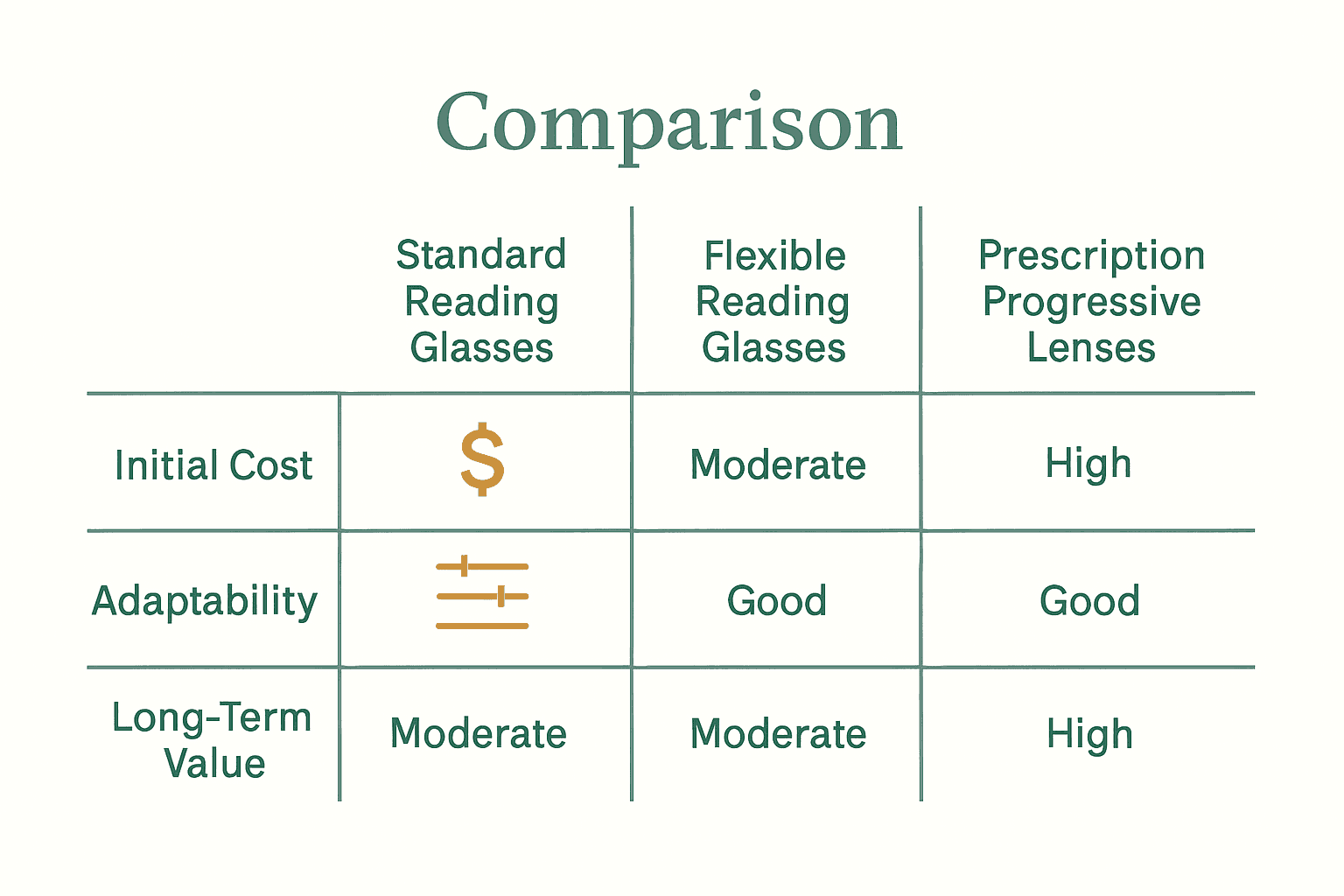
Cost comparison across different eyewear alternatives reveals interesting trade-offs:
-
Standard Reading Glasses:
- Lowest upfront cost ($20-$50)
- Limited functionality
- Require multiple pairs
- No adaptive features
-
Flexible Reading Glasses:
- Moderate initial investment ($100-$300)
- Multiple distance capabilities
- Single pair solution
- Advanced material technologies
-
Prescription Progressive Lenses:
- Highest cost ($300-$800)
- Comprehensive vision correction
- Professionally customized
- Permanent prescription adaptation
Beyond pure financial considerations, flexible reading glasses offer substantial long-term value through reduced replacement frequency, enhanced durability, and improved user experience. The intelligent design minimizes the need for multiple eyewear pairs, effectively streamlining both your vision correction approach and personal expenses. While the initial investment might seem higher, the combination of adaptability, comfort, and reduced long-term costs makes flexible reading glasses an increasingly attractive option for discerning consumers seeking smart, efficient vision solutions.
Discover Flexible Reading Glasses That Move With You
Struggling to find reading glasses that keep up with your active lifestyle and changing vision needs is a common challenge. The innovative design of flexible reading glasses offers the comfort and adaptability you deserve. With adjustable lens strengths and lightweight, resilient frames crafted from advanced materials, these glasses reduce eye strain and eliminate the hassle of switching between multiple pairs.
Experience the perfect blend of style and function by exploring our range of Round Reading Glasses and Retro Reading Glasses that feature flexible, durable designs.
Take control of your vision today with eyewear tailored for modern needs. Visit Ministry of Sight now to browse our collection and enjoy special offers like free shipping Australia-wide and satisfaction guarantees. Your eyes will thank you for choosing comfort and versatility in one stylish package.
Frequently Asked Questions
What are flexible reading glasses?
Flexible reading glasses are innovative eyewear solutions designed to adjust to varying visual needs of individuals experiencing presbyopia. They feature adaptable lens strengths, allowing users to shift between different distances without changing glasses.
How do flexible reading glasses work?
Flexible reading glasses utilize adaptive lens technology which enables instantaneous adjustments to the lens prescription. This allows for clear vision across near, intermediate, and far distances, making them suitable for various daily tasks.
What materials are commonly used in flexible reading glasses?
Flexible reading glasses are typically made from materials like TR90, epoxy resin, and memory metal. These materials provide lightweight, durable, and flexible frames that can bend and return to their original shape, offering comfort and resilience.
What are the advantages of using flexible reading glasses compared to standard reading glasses?
Flexible reading glasses offer several advantages over standard reading glasses, including adjustable magnification strengths, enhanced comfort, and the ability to handle multiple visual tasks without needing to switch eyewear, ultimately improving convenience and reducing eye strain.


