

More than half of australian adults rely on prescription eyewear to see clearly every day. Selecting the right lenses is about much more than style or brand. The science of lens strength plays a vital role in how well your glasses work for your unique eyes. Knowing how lens power is measured and why it matters helps you choose eyewear that truly matches your vision needs, making day-to-day life safer, easier, and more comfortable.
Table of Contents
- What Is Lens Strength In Eyewear?
- Types Of Lens Prescriptions Explained
- How Optometrists Determine Lens Power
- The Impact Of Lens Strength On Vision
- Common Errors When Choosing Lenses
- Alternatives And When To Seek Advice
Key Takeaways
| Point | Details |
|---|---|
| Understanding lens strength is crucial | Lens strength indicates the level of vision correction needed, impacting overall visual comfort and clarity. |
| Professional assessments are essential for prescription accuracy | Regular eye examinations and comprehensive evaluations ensure that lens prescriptions align with individual visual needs. |
| Common errors can compromise visual health | Misinterpretation of prescriptions and neglecting individual lifestyle factors can lead to unsuitable lens choices and discomfort. |
| Explore alternative vision correction methods | Non-surgical options, such as contact lenses and orthokeratology, provide alternatives tailored to diverse visual preferences and requirements. |
What Is Lens Strength in Eyewear?
Lens strength represents the corrective power required to improve your vision, measured scientifically in diopters. These numerical values indicate precisely how much vision correction you need, ranging from minimal adjustments to more substantial prescription requirements. Understanding lens strength helps you select eyewear that matches your specific visual needs, ensuring comfortable and clear vision throughout daily activities.
When discussing lens strength, optometrists reference positive and negative measurements that reveal different vision conditions. Positive diopter values typically indicate farsightedness, meaning you struggle to see objects nearby clearly, while negative diopter values suggest nearsightedness, where distant objects appear blurry. The numerical magnitude matters: higher absolute values represent more significant vision correction requirements. For instance, a prescription of +2.00 indicates moderate farsightedness, whereas +4.50 suggests a more pronounced need for reading glasses lens strength for reading glasses.
The complexity of lens strength goes beyond simple numerical values. Factors like astigmatism, presbyopia, and individual eye characteristics can influence your precise prescription. Optometrists conduct comprehensive eye examinations to determine the most accurate lens strength, considering multiple vision parameters. They’ll assess how light refracts through your eye, measuring the exact correction needed to achieve optimal visual clarity. This personalised approach ensures that your eyewear isn’t just a fashion accessory, but a precise visual enhancement tailored specifically to your eyes.
Understanding your lens strength isn’t about memorising numbers—it’s about recognising how these measurements translate into daily visual comfort. Whether you’re reading fine print, working on a computer, or enjoying outdoor activities, the right lens strength can dramatically improve your quality of life. Regular eye check-ups and professional guidance remain the most reliable methods for determining your exact vision correction needs.
Types of Lens Prescriptions Explained
Lens prescriptions are not one-size-fits-all solutions, but rather nuanced visual correction tools tailored to individual eye health needs. Single vision prescriptions represent the most common type, designed to correct vision at one specific distance—either for close-up tasks like reading or for distance viewing. These prescriptions typically feature uniform lens power across the entire lens, providing straightforward correction for people experiencing either nearsightedness or farsightedness.
Moreover, multifocal prescriptions offer more complex vision correction strategies. Bifocal lenses feature two distinct viewing zones: the upper portion corrects distance vision, while the lower segment addresses near-vision tasks like reading. Understanding lens types for reading glasses reveals that progressive lenses represent an even more sophisticated option, providing seamless transitions between near, intermediate, and far vision zones without visible lines—creating a more natural visual experience for individuals with multiple vision correction requirements.
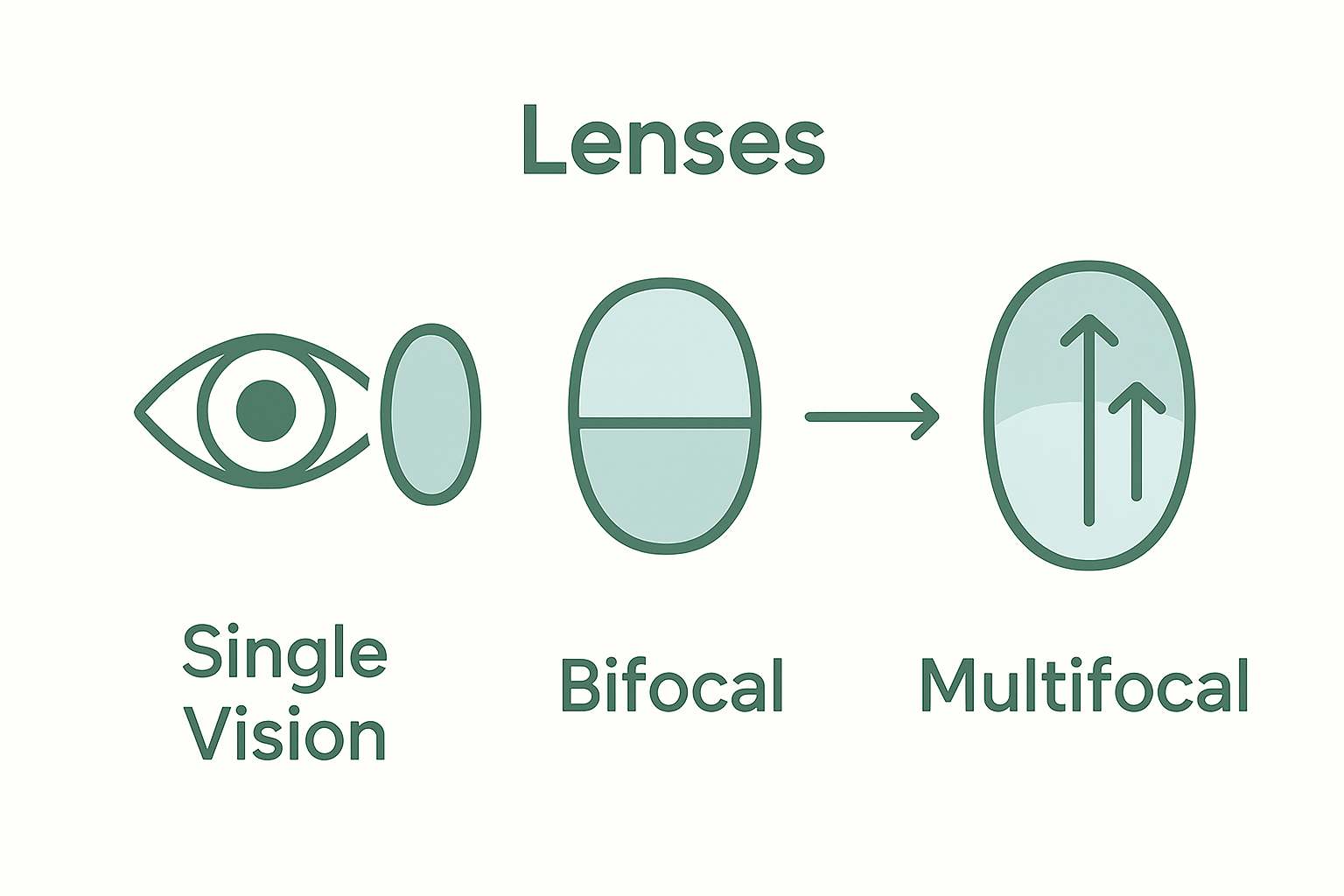
Specialised prescriptions cater to unique visual challenges beyond standard corrections. Cylindrical prescriptions address astigmatism by incorporating additional lens curvature to compensate for irregularly shaped corneas. Occupational or computer glasses represent another targeted prescription type, engineered specifically for intermediate-distance tasks like screen work, reducing eye strain and enhancing visual comfort during prolonged digital engagement. These precision-crafted lenses demonstrate how modern eyewear transcends mere vision correction, becoming personalised tools for enhanced daily performance.
Choosing the right lens prescription requires professional assessment and a comprehensive understanding of your individual vision needs. Factors like age, lifestyle, occupation, and specific visual challenges all influence the most appropriate prescription. Regular eye examinations remain crucial for tracking changes in vision and ensuring your corrective lenses continue to provide optimal visual clarity and comfort.
How Optometrists Determine Lens Power
Determining lens power is a sophisticated process that requires precision, advanced diagnostic tools, and comprehensive eye health assessments. Refractive error measurement forms the cornerstone of this evaluation, where optometrists meticulously analyse how light enters and focuses within your eye. By using specialised equipment like autorefractors and performing detailed visual acuity tests, they can precisely calculate the exact lens power needed to correct your unique vision challenges.
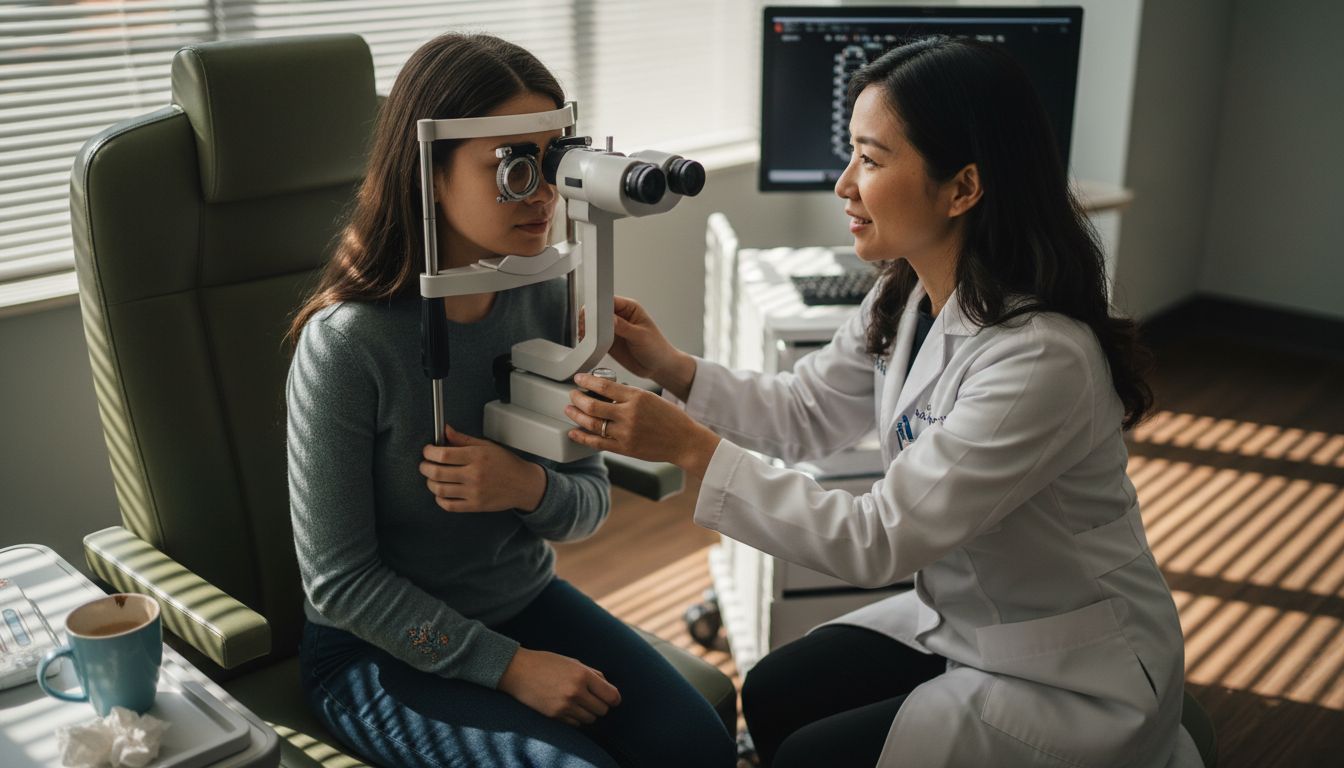
The diagnostic process involves multiple sophisticated techniques to map your eye’s visual characteristics. During an eye examination, optometrists use a process called retinoscopy, which involves shining a light into your eye and observing how it reflects off the retina. This allows them to understand your eye’s ability to focus light, determining whether you have nearsightedness (indicated by a minus sign) or farsightedness (indicated by a plus sign). How to choose the right lens power for your reading glasses highlights the nuanced approach professionals take in prescribing precise lens corrections.
Beyond basic refractive measurements, optometrists consider additional factors that influence lens power determination. Corneal curvature, eye muscle balance, and potential astigmatism all play critical roles in developing an accurate prescription. They’ll typically conduct comprehensive tests like subjective refraction, where you provide feedback about lens clarity while different corrective lenses are tested. This interactive process ensures that the final prescription isn’t just mathematically accurate, but also provides the most comfortable and effective vision correction for your individual needs.
Ultimately, lens power determination is a personalised medical assessment that goes far beyond simple number calculations. Age, lifestyle, occupation, and specific visual demands all factor into creating a prescription that optimally supports your daily visual requirements. Regular eye examinations—typically recommended every one to two years—allow optometrists to track changes in your vision and adjust lens prescriptions accordingly, ensuring ongoing visual health and clarity.
The Impact of Lens Strength on Vision
Lens strength fundamentally transforms how light focuses within your eye, directly influencing your visual perception and overall eye comfort. Focal point adjustment is the critical mechanism through which lens strength impacts vision, carefully redirecting light rays to precisely hit the retina. When lens strength matches your unique eye characteristics, you experience crisp, clear vision without unnecessary strain or visual distortion.
Incorrect lens strength can trigger a cascade of uncomfortable visual experiences. Misaligned lens power often leads to immediate and noticeable symptoms like blurred vision, persistent headaches, and significant eye fatigue. Individuals might experience difficulty reading small print, struggling to focus during computer work, or feeling increased eye strain during daily activities. Understanding your reading glasses checklist reveals how precisely calibrated lens strength can dramatically improve visual comfort and performance.
The nuanced impact of lens strength extends beyond immediate visual clarity. Different prescription strengths interact uniquely with various visual tasks, requiring sophisticated lens design. For instance, someone with mild farsightedness might need different lens configurations for reading versus computer work. Optometrists carefully consider factors like working distance, lighting conditions, and specific visual demands to recommend lens strengths that provide optimal performance across different environments and activities.
Ultimately, lens strength represents a personalised solution to individual visual challenges. Regular eye examinations are crucial for tracking vision changes and ensuring your lens prescription remains accurately matched to your evolving visual needs. Understanding that lens strength is not a static measurement, but a dynamic aspect of eye health, empowers individuals to maintain optimal vision and prevent potential long-term visual complications.
Common Errors When Choosing Lenses
Selecting the right lenses is far more complex than most people realise, with several critical errors potentially compromising your visual health and comfort. Prescription misinterpretation represents the most fundamental mistake consumers make, often stemming from a lack of understanding about how lens prescriptions work. Many individuals attempt to self-diagnose or rely on outdated prescriptions, inadvertently selecting lens strengths that fail to address their current vision requirements.
Another significant error involves neglecting individual vision nuances beyond basic prescription numbers. Lifestyle compatibility is crucial when choosing lenses, yet many people select generic solutions without considering their specific daily visual demands. Complete guide to buying reading glasses online emphasises the importance of matching lens characteristics to personal usage patterns, whether for computer work, reading, driving, or multiple visual tasks.
Technical mistakes during lens selection can have profound consequences. Common errors include ignoring astigmatism corrections, failing to account for eye dominance, and overlooking peripheral vision requirements. Some individuals mistakenly prioritise cost over quality, selecting cheaper lenses that provide inadequate vision correction. Optometrists warn that such choices can lead to increased eye strain, potential headaches, and long-term visual discomfort, potentially exacerbating existing vision problems.
Ultimately, professional guidance remains the most reliable approach to lens selection. Regular comprehensive eye examinations, careful prescription analysis, and personalised consultations can prevent the most common lens selection errors. Understanding that your vision is dynamic and unique empowers you to make informed choices, ensuring your eyewear provides optimal visual support tailored precisely to your individual needs.
Alternatives and When to Seek Advice
Vision correction extends far beyond traditional glasses, with numerous innovative alternatives emerging to address diverse visual needs. Non-surgical options like contact lenses, orthokeratology, and specialised lens technologies provide flexible solutions for individuals seeking alternatives to standard spectacle prescriptions. These approaches offer unique benefits, ranging from aesthetic preferences to lifestyle compatibility, allowing people to choose vision correction methods that seamlessly integrate with their daily routines.
Orthokeratology represents a fascinating alternative for those reluctant to wear glasses continuously. This advanced technique involves wearing specially designed contact lenses overnight, which temporarily reshape the cornea to provide daytime vision correction without permanent surgical intervention. These innovative lenses work by gently modifying corneal curvature, creating a non-invasive method of vision improvement. Understanding the reading glasses fit guide highlights the importance of personalised vision solutions that adapt to individual needs and preferences.
Professional consultation becomes crucial when considering vision correction alternatives. Key indicators suggesting the need for expert advice include persistent eye strain, frequent headaches, sudden vision changes, difficulty reading or focusing at different distances, and discomfort with current corrective devices. Optometrists can conduct comprehensive assessments to recommend tailored solutions, whether that involves multifocal lenses, specialised contact lens designs, or exploring surgical options like laser eye correction.
Ultimately, vision correction is a highly personalised journey that requires careful consideration and professional guidance. Each individual’s eye health, lifestyle, and visual requirements are unique, making it essential to approach lens selection as a collaborative process between you and eye care professionals. Regular eye examinations, open communication about your visual challenges, and a willingness to explore innovative solutions can help you discover the most effective and comfortable vision correction strategy for your specific needs.
Find Your Perfect Lens Strength With Confidence
Choosing the right lens strength can feel overwhelming with all the technical terms and personal factors involved. You want glasses that offer clear vision without discomfort or eye strain. Understanding concepts like diopters, multifocal prescriptions and lens power precision is crucial for comfort and optimal sight. At Ministry of Sight, we understand these challenges and have curated a stunning selection of Stylish Reading Glasses for Men and Women that cater to a wide range of lens strengths and vision needs.

Explore our handpicked collection today and take advantage of our exclusive offers such as free shipping Australia-wide and satisfaction guarantees. Don’t settle for outdated or incorrect prescriptions when you can upgrade to expertly designed frames matched perfectly to your customised lens strength. Visit Ministry of Sight now and find your ideal pair. For bold style and precise vision, check out our Bold Reading Glasses or dive into unique options in the Limited Edition Reading Glasses collection. The right lens strength awaits you – start your journey to clearer sight today.
Frequently Asked Questions
What does lens strength mean in eyewear?
Lens strength refers to the corrective power needed to improve vision, measured in diopters. It indicates how much vision correction an individual requires, helping them select appropriate eyewear for clear vision.
How do optometrists determine the correct lens power?
Optometrists determine lens power through a series of evaluations, including refractive error measurement, retinoscopy, and visual acuity tests. They assess individual eye characteristics and consider factors like corneal curvature and astigmatism to create an accurate prescription.
What are the different types of lens prescriptions available?
The primary types of lens prescriptions include single vision for one distance, bifocal for both near and far vision, and progressive lenses for a seamless range of vision. Each type caters to different visual challenges and daily activities.
How can incorrect lens strength affect my vision?
Incorrect lens strength can lead to issues such as blurred vision, headaches, and eye fatigue. It may make tasks like reading or working on a computer uncomfortable, highlighting the importance of having the right prescription for your visual needs.


